Mountains: A Pause Below the Peaks
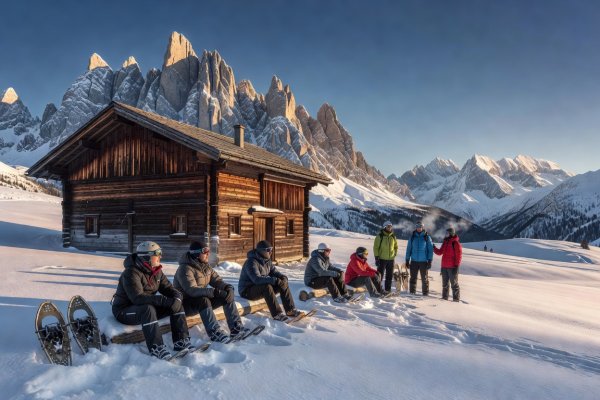
Dining beneath colossal limestone spires and glacier-hung summits is unforgettable. To do so comfortably, one must master the rhythm of solar trajectory and mountain topography.
Thermal Inversions & Solar Aspects
In winter, high-pressure systems frequently trigger thermal inversions: cold, dense air settles in valley floors under gray cloud blankets, while plateaus at 1,800 to 2,200 meters bask in crystal skies and noticeably warmer air.
By selecting a south-facing slope or a rustic barn wall that absorbs solar energy, a midday lunch can feel delightfully temperate, provided you pack up the moment the mountain ridge casts its afternoon shadow.
Field-Documented Alpine Picnic Areas
Locations combining safe slope runouts, grand vertical relief, and well-maintained winter approach tracks.
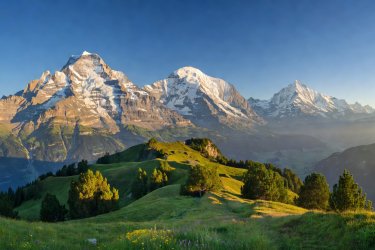
Mürren Terrace, Bernese Oberland, Switzerland
Perched 800 meters directly above the Lauterbrunnen valley, the snow-cleared benches along the car-free village path face the immense sheer rock walls of the Eiger, Mönch, and Jungfrau.
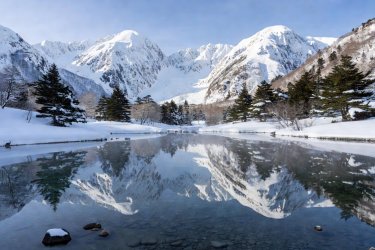
Kamikochi Basin, Chubu Sangaku, Japan
While closed to bus transit in winter, guided snowshoe travelers along the Azusa River can sit on riverine gravel banks facing the snow-capped Hotaka mountain range.
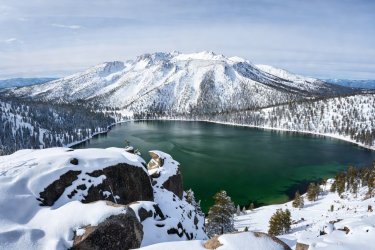
Emerald Bay Overlook, Lake Tahoe, USA
Sitting on flat granite outcroppings along the state park bluff provides a direct vista of Mount Tallac’s snow gullies rising majestically above the indigo water basin.